Can I Use a Usb 3.0 External Hard Drive in a Usb 2.0 Port
A Guide to Estimator Ports and Adapters
Today's computers and mobile devices are available with a wide array of ports, from traditional USB to newfangled USB Type-C and Thunderbolt 3 ports. Even if y'all're familiar with the most mutual connectors, it can even so be a challenge to figure out what wires or adapters you demand in order to plug your device into a monitor, TV, network or peripheral.
When you're shopping for a new laptop, a 2-in-1 or a hulking desktop PC, yous'll likewise want to keep ports in listen. If you need to attach to a item type of device on the go, you'll benefit from having that connector built-in or, at least, knowing what kind of adapter to pair with your new system. That'southward why we've assembled a comprehensive list of ports, forth with the type and price of adapters you'll demand to employ if you don't have the correct connectors on built-in.
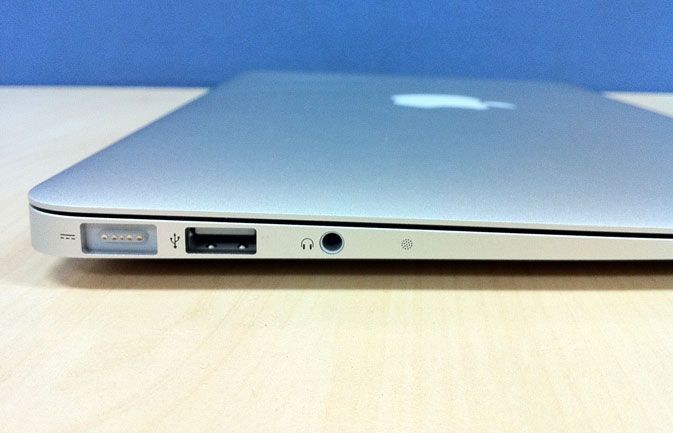
Likewise Known As: Headphone jack Description: The most common audio jack in the earth, the 3.5mm audio jack appears on near computers, tablets and phones, and connects to the bulk of the world's wired headphones and speakers. While some older devices accept two audio jacks for mic and headphone, near current models incorporate both into the same port. A handful of current phones, including the iPhone vii, omit this jack. Adapters Needed: If your device doesn't take a three.5mm jack, you lot can purchase a wired USB headset, attach a wireless Bluetooth audio device or get an adapter. If you have an iPhone, become a Lightning to 3.5mm cable or Lightning headset. If yous take a USB Type-C-powered device, go a Blazon-C to 3.5mm adapter or Blazon-C headphones.
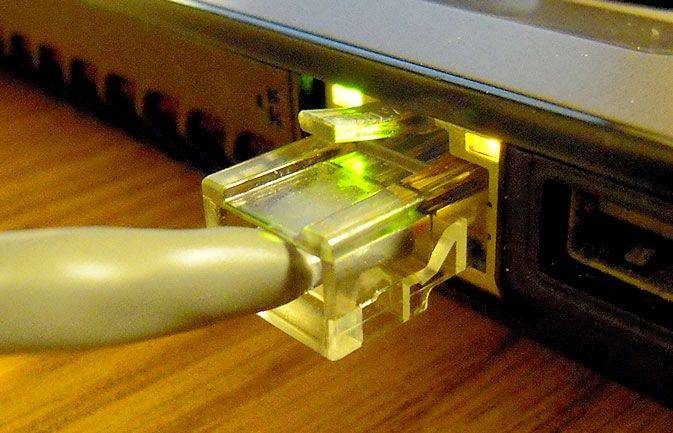
Also Known As: RJ-45, Gigabit Ethernet, 10/100 Ethernet Clarification: Found primarily on business laptops and on desktops, this port allows you to connect directly to wired networks. While Wi-Fi continues to amend, having the selection to plug in via Ethernet is actually valuable, particularly when you're in a hotel or other location where the wireless bespeak is poor. Some spec sheets refer to this port as "Gigabit Ethernet" or "10/100 Ethernet," but all mod laptops and desktops with this port operate at upwards to 1 Gbps, no affair how they are marketed. Adapters Needed: If you don't have an Ethernet port built-in, you can purchase a USB-to-Ethernet adapter for $fifteen to $xxx, depending on whether you lot are connecting to a USB Blazon-Cor traditional, USB Blazon-A port. Yous can also go Ethernet past connecting to a docking station.
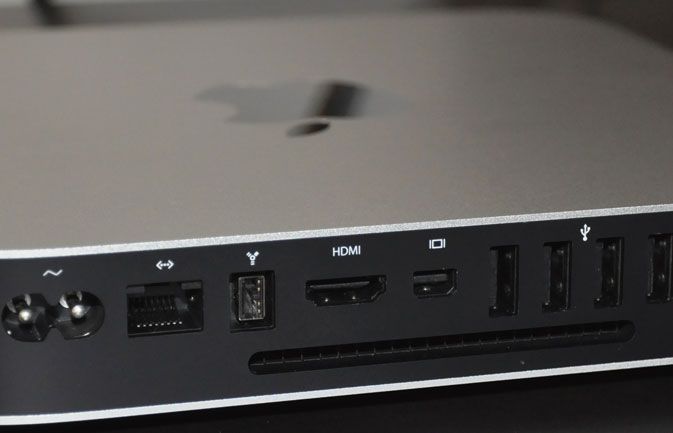
Description: This popular port is the nigh common one for connecting to TVs and too appears on many external monitors and projectors. Depending on your laptop's or desktop's graphics card, the machine's HDMI (high-definition multimedia interface) port may be able to output at up to 4K resolution. However, you cannot output to dual displays from a unmarried port. HDMI sends audio along with its video, so if your monitor or TV has speakers, you lot'll go sound. If your computer has HDMI-out and your external display has DVI, you lot can convert from 1 to the other with an adapter that costs less than $10. While most laptops that have HDMI use the full-size port, there are a few superslim devices that use mini HDMI connectors. These are a bit smaller, and it'due south more difficult to observe adapters for them. Adapters Needed: If you need to connect to DVI, an HDMI-to-DVI plug costs under $10. For around $25, you can get an adapter that goes from USB Blazon-C to HDMI, provided that your Blazon-C supports video. If you want to go from an HDMI port on your computer to a DisplayPort on your monitor, you'll need a rather-pricey active converter that requires its ain power connectedness and that costs over $30. Unpowered DisplayPort-to-HDMI cables won't piece of work.
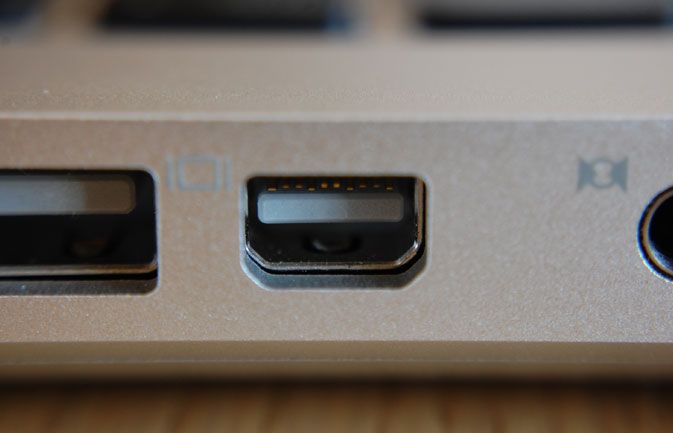
Description: DisplayPort is the well-nigh avant-garde display-connexion standard today, with the power to output to a single monitor at 4K resolution and 60 Hz, or up to three monitors at full Hd (using a hub or dock). Virtually laptops that accept DisplayPort either utilise the smaller, mini DisplayPort connector or transport their DisplayPort signals out of a USB Blazon-C port. A lot of monitors and most TVs don't have DisplayPort connectors, only you can output to an HDMI-capable screen with a wire or adapter that costs nether $10. Similar HDMI, DisplayPort tin output audio on the same cable as video. Adapters Needed: If you want to output to more than than one DisplayPort monitor from a single mini DisplayPort on a laptop, you'll need a multi-stream send (MST) hub, which costs between $seventy and $100 and needs power. A single USB Type-C-to-DisplayPort or micro DisplayPort-to-total DisplayPort cable costs simply over $10.
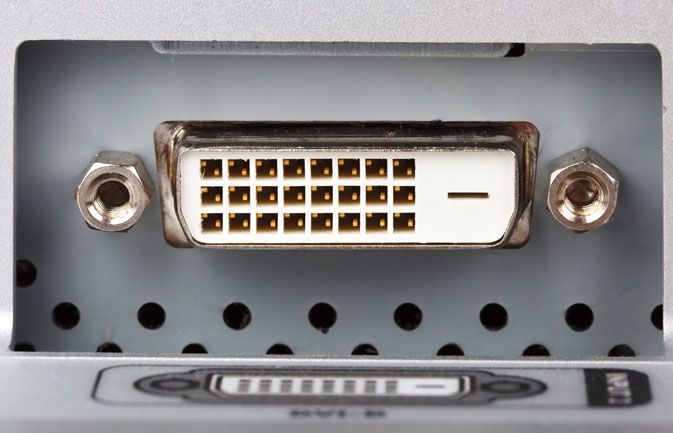
Also Known As: DVI-D, DVI-I, Dual-Link DVI Clarification: While you'll never see a laptop with DVI (digital visual interface)-out, virtually every monitor with a full-Hard disk drive resolution or below has one, and then do many desktops. Oftentimes, DVI will exist your best input option as many budget and mainstream displays have only DVI and VGA connectors. Fortunately, you can easily get an adapter to go from your calculator'due south HDMI or DisplayPort to DVI. DVI tin can output at up to UXGA 1920 x 1200 at threescore Hz, the standard refresh rate, merely requires a second connection (aka, dual-link DVI) to power a 2K or 4K monitor. Most mainstream USB docking stations feature at to the lowest degree one DVI-out port. Adapters Needed: You can get an HDMI-to-DVI cablevision for under $x and a DisplayPort-to-DVI cablevision for nether $15. Though going from DVI-out to VGA requires a $5 adapter, it'due south extremely costly and difficult to catechumen from VGA-out on your figurer to DVI-in on the monitor. USB docking stations that output to dual DVI monitors start at nether $100.
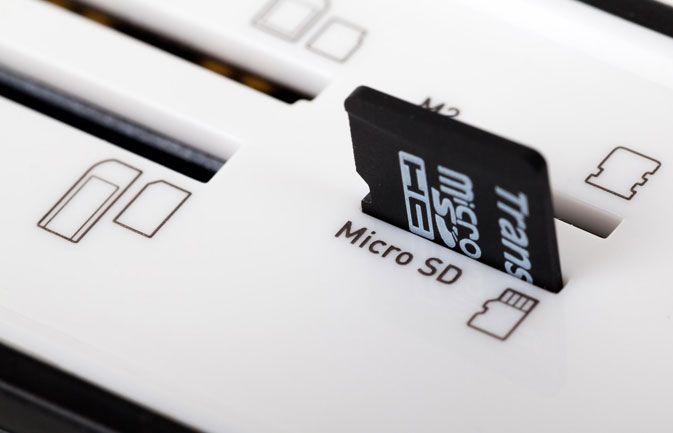
Also Known As: microSD menu slot, microSDHC reader, microSDXC Description: This slot reads tiny microSD retentiveness cards, the kind that smartphones utilize for external storage. If your laptop or tablet has very limited internal storage and you have the reader, getting one of these cheap cards (under $20 for 64GB) could actually assistance you out. You can fifty-fifty install Windows x apps on a microSD card. Adapters Needed: If you lot don't accept a built-in slot, y'all can get a USB-based external microSD reader for under $ten.
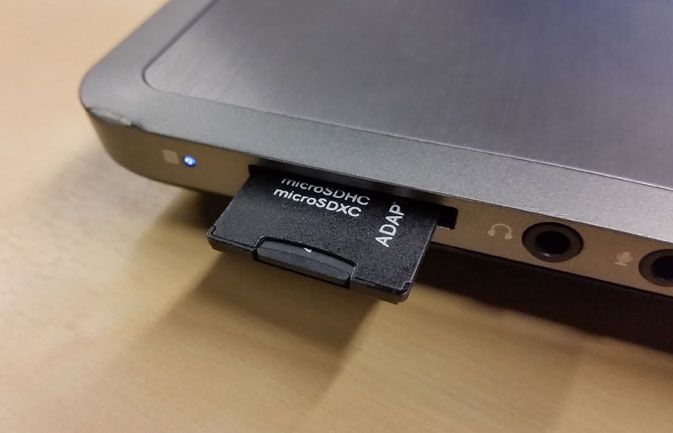
Likewise Known Equally: 3-in-1 carte du jour reader, iv-in-1 card reader, v-in-1 card reader, SDHC card reader Description: This is a slot that you can use to read the retention cards from a digital camera. If you frequently transfer pictures from a DSLR or mirrorless camera to your laptop or desktop, having a built-in reader is a huge convenience. Adapters Needed: If you don't accept a built-in SD card reader, you tin can buy one that connects via USB for under $10.
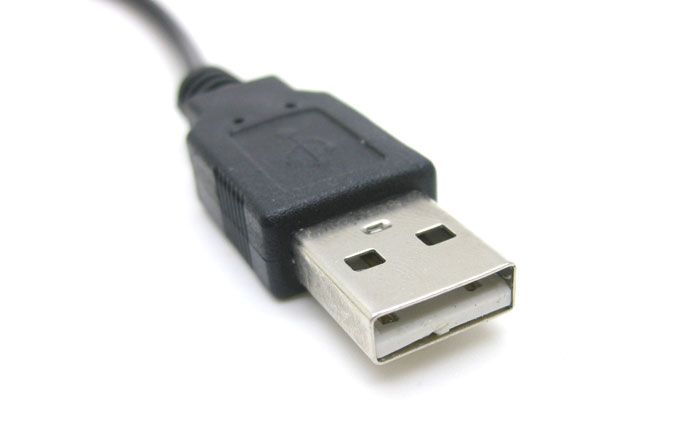
Too Known Equally: USB Blazon-A, Regular USB Description: USB (universal serial bus) is the virtually mutual laptop and desktop connector by far. The typical USB port is known as USB Type-A and has a uncomplicated, rectangular shape. Depending on the hardware, it can be capable of either USB-two.0 or USB-three.0 speeds. We list more types of USB beneath. Yous can connect a nigh space universe of peripherals to a USB port, from keyboards and mice to printers and Ethernet adapters. Regular USB doesn't have its own video standard, but you lot can connect to monitors using a universal docking station or adapter with DisplayLink engineering inside.
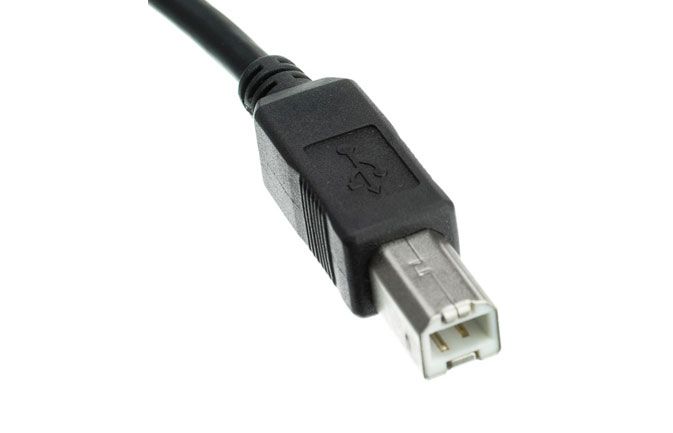
Description: You won't observe this foursquare connector on any calculator, merely many hubs, docking stations and printers employ information technology equally an input port. For these devices, y'all'll need a USB Blazon-A–to–Type-B wire, which typically comes with the peripheral.
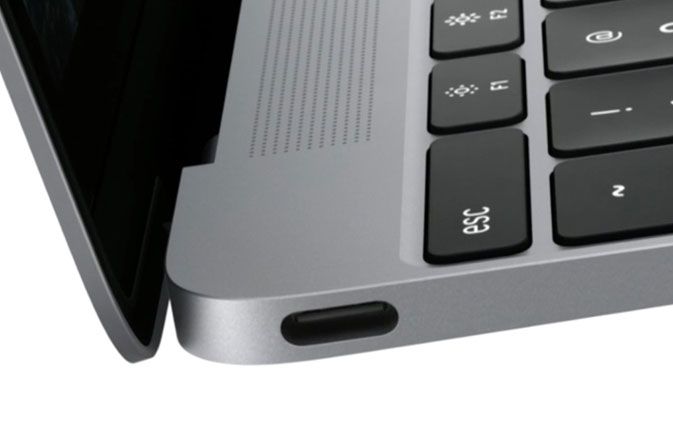
As well Known As: USB-C Description: This slim USB port is the connector of the future, already available on a number of devices and likely to supervene upon USB Type-A, USB Type-B and microUSB on all new systems in the well-nigh time to come. Because it's much thinner than its predecessors, Blazon-C can fit on extremely svelte laptops like the MacBook 12-inch and Asus ZenBook 3. It's besides reversible, and then yous never have to worry most putting your plug in upside downward. For amend or worse, USB Type-C ports tin support a number of different standards, merely not all of them offer the aforementioned functionality. Type-C can transfer files at either USB iii.one gen 1 (five Gbps) or USB 3.ane gen 2 (10 Gbps) speeds. It can accept USB Power Delivery (USB-PD) and then you lot tin charge your laptop with it. It also sends DisplayPort signals out via its "alt style," and information technology can even operate as a Thunderbolt port. Manufacturers can signal compatibility with USB 3.i gen 2 with an "SS ten" logo or power delivery with a battery logo, but we don't see these marks often. We practice often see a lightning bolt side by side to the port, which indicates that it doubles as a Thunderbolt 3 port and can support the highest transfer rates and video out. Adapters Needed: If you have a rectangular USB Type-A port and need to go to a USB Type-C dock or device, you can get a A to C wire for nether $10.
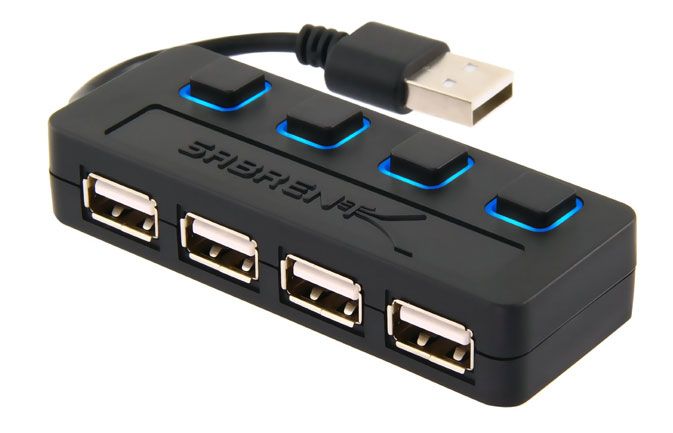
Also Known Equally: High-speed USB, USB two Description: Capable of transferring data at up to 480 Mbps, USB 2.0 is the most common speed of USB and works finer with the majority of peripherals. A USB 2.0 port can come in a multifariousness of shapes, including Type-A (rectangular), Type-B (square), mini or micro USB. On laptops and desktops, a USB 2.0 port will always exist Type-A, while on tablets and phones, it will likely be micro USB.
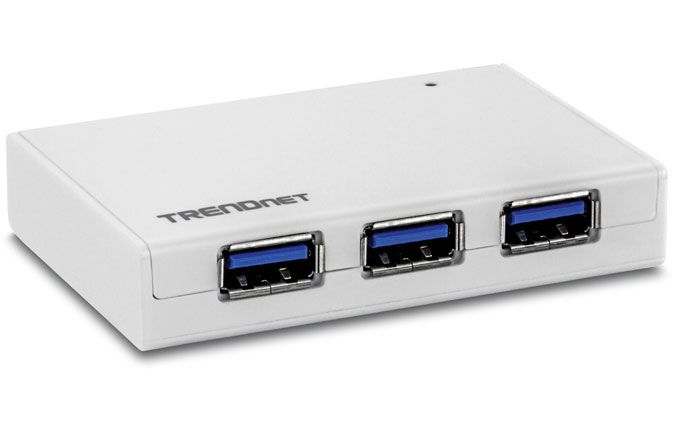
Too Known As: SuperSpeed USB, USB 3 Description: Great for external difficult drives, SSDs and loftier-res docking stations, USB 3.0 has a maximum transfer rate of 5 Gbps, more than than ten times that of its predecessor, USB 2.0. Ports for USB three are automatically astern-compatible with USB 2.0 cables and devices. USB iii ports on a computer use a rectangular, type-A connector and are usually indistinguishable from their older counterparts. Sometimes these SuperSpeed ports will have a calorie-free bluish colour or a tiny "SS" logo next to them to betoken their higher transfer rate, just not always.
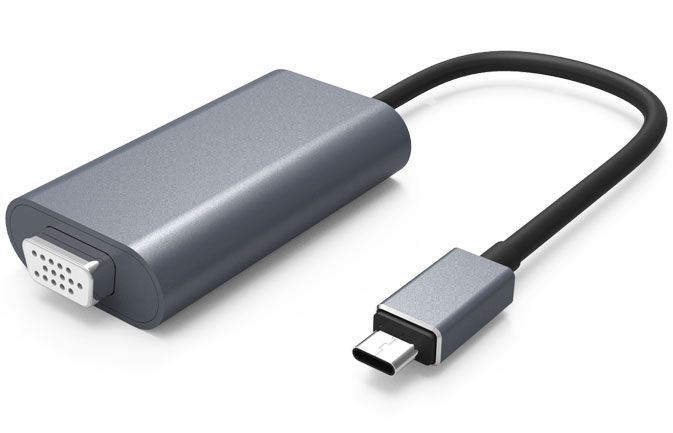
Likewise Known As: USB 3.1, SuperSpeed USB Description: USB 3.1 gen 1 is a connectedness protocol that's the same 5-Gbps speed as USB 3.0, but it works only on USB Type-C ports. Information technology'south backward-compatible with USB three.0 and USB 2.0 devices, provided that your cable goes from Type-C to the appropriate connector. USB 3.1 devices may support USB Power Delivery, which allows them to receive or ship power at upward to 100 watts, enough to charge most laptops. Adapters Needed: A USB three.1 port has to use a Type-C connector, so information technology requires standard Blazon-C wires.
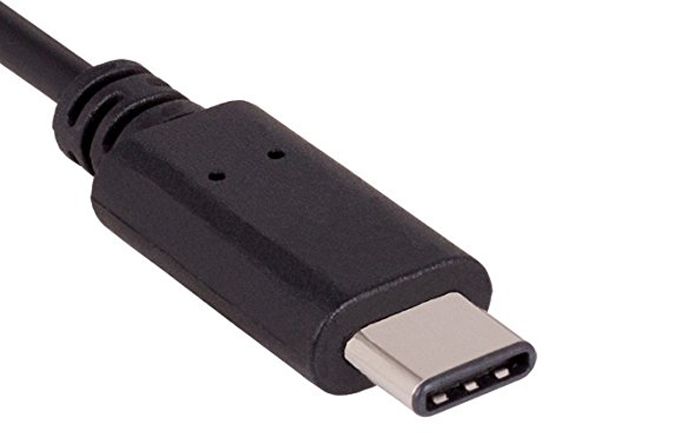
Also Known As: USB 3.1, SuperSpeed+ USB, SuperSpeed USB 10Gbps Description: USB 3.1 Gen 2 is simply like USB iii.i gen ane, but with double the throughput, transferring data at upward to 10 Gbps. It'due south backward-uniform with USB Adapters Needed: USB three.1 Gen 2 requires a Type-C connector, merely to get it at full speed, you lot need to make certain your cablevision is rated for 10 Gbps. Cables offset at around $16.
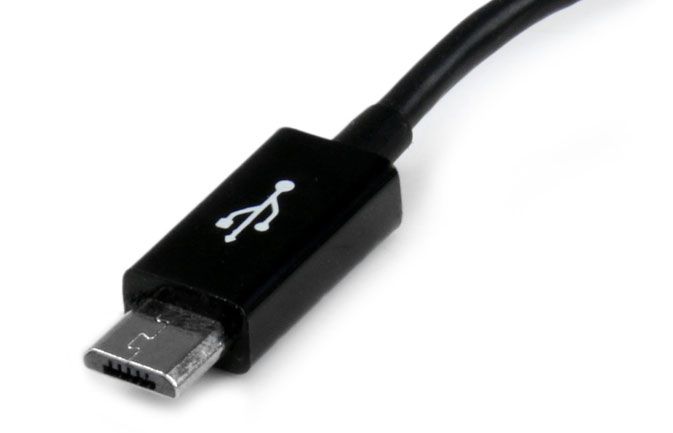
Besides Known As: Micro-B, microUSB Description: This small-scale port is the charging connector of choice for smartphones and low-ability tablets, but you probably won't meet information technology on a laptop or desktop. Regular micro USB ports support USB 2.0 speeds (480 Mbps), but at that place are a few devices, mostly external hard drives, that have micro USB iii.0 ports which have some extra pins and offering faster transfer rates. You can still use micro USB 2.0 wires and connectors in the micro USB three.0 ports, even so. Adapters Needed: To connect your laptop to a phone or your depression-end tablet to its AC adapter, you'll need a USB Type-A–to–micro USB cable, which costs effectually $five. You tin get a Blazon-C–to–micro USB adapter for nether $ten.
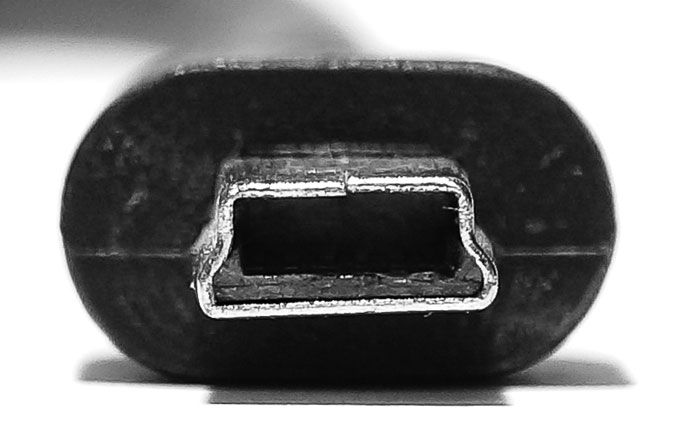
Likewise Known Every bit: Mini-B, mini USB Description: Much less common than microUSB, the slightly larger mini USB is found on some external hard drives, game controllers (PS3 controllers for example) and other accessories. Yous won't see mini USB as a port on any computer, tablet or phone, merely you tin easily become a wire that goes from Type-A, Type-C or micro USB to mini USB. Adapters Needed: A Type-A–to–mini USB cable costs under $5, a Blazon-C–to–mini is available for nether $10 and a micro USB-to-mini USB adapter goes for less than $5.
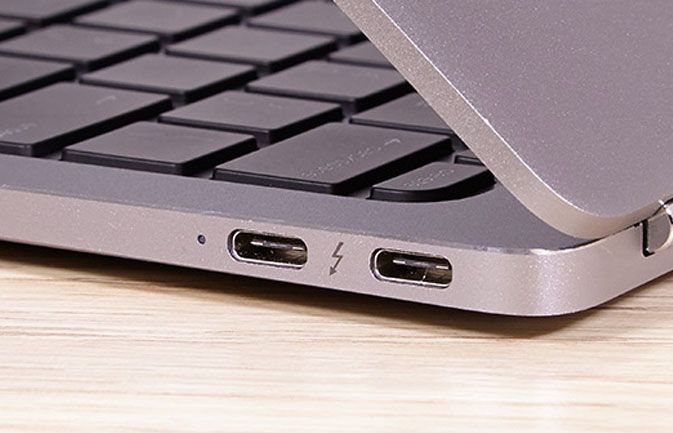
As well Known As: Thunderbolt Description: The fastest mutual connexion on the market today, Thunderbolt three tin transfer data at up to 40 Gbps, four times faster than the fastest USB connectedness (USB iii.i gen 2). This high-speed standard can too output to up to 2 4K monitors at once, because a single port carries dual DisplayPort signals. On several new devices you can utilize Thunderbolt 3 to connect to an external graphics carte du jour, which allows yous to play high-end games on an otherwise slim laptop. All Thunderbolt three ports use USB Type-C connections and double as USB Type-C ports, allowing them to connect to an unabridged universe of USB peripherals and, in near cases, to charge a laptop or tablet. Before Thunderbolt iii, which started appearing in laptops at the finish of 2015, there was a Thunderbolt 2 and original Thunderbolt standard, but very few systems used them. With an adapter cablevision, y'all tin can connect your Thunderbolt three computer to older Thunderbolt devices. Adapters Needed: Yous can get a Thunderbolt 3 cable for under $25, only exist sure to read the specs before you buy; not all Thunderbolt cables tin can handle the full forty Gbps, with some topping out at 20 Gbps. Thunderbolt 3 docking stations, which let y'all plug into a diversity of monitors and peripherals, get for effectually $200. Y'all can also employ any USB Type-C cablevision, dock or device with a Thunderbolt iii port. A Thunderbolt 3-to-Thunderbolt adapter for attaching to legacy Thunderbolt devices is pricey, going for over $100. More than: Thunderbolt three Explained: Why You Demand the Globe'southward Fastest Port
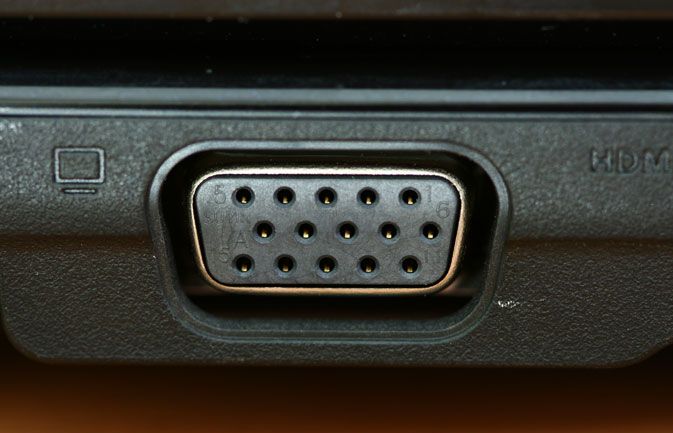
Description: The peachy granddad of video outputs, VGA (video graphics array) dates all the way back to 1987 but is yet commonplace on many monitors and projectors today. However, because the fifteen-pin connector is rather chunky, you won't find too many electric current-gen laptops or desktops that have VGA-out. It is an analog connection, which could lead to betoken degradation over longer cables, and it outputs at merely upward to 1920 10 1200, then it's the least desirable port. Adapters Needed: You tin can't convert VGA to any other display standard (DVI, DisplayPort, HDMI), but you can plug any other connector into a VGA monitor with an inexpensive wire or adapter. You can get DVI-to-VGA, HDMI-to-VGA or DisplayPort-to-VGA converters for under $10.
Laptop Guide
- Previous Tip
- Adjacent Tip
- Laptop Buying Guide: 8 Essential Tips
- The Best & Worst Laptop Brands
- Laptop Tech Back up Showdown: Undercover Study
- Should I Buy a Chromebook? Buying Guide and Communication
- Laptops with the Longest Bombardment Life
- Chromebooks vs. Windows x Laptops: What Should You Buy?
- Why You Shouldn't Buy a Impact-Screen Laptop
- Out of the Box Tips: Fix Upwards Your New Laptop Like a Pro
- The Best Time to Buy a Laptop
- Chromebook vs. Tablet: Which Should You Buy?
- Laptop Ownership Tips for Students
- x Central Features to Look for in Your Laptop
- How to Buy a two-in-i Laptop Hybrid
- USB Blazon-C FAQ: Everything You Demand to Know
- How to Get Rid of Your Former Laptop
- Laptop Warranties: What They Cover
- Which CPU is Right For You?
- Which Laptop Features Are Worth the Coin?
- Gaming Laptop Buying Guide: Find the Right Rig
- 10 Reasons Why Consumers Should Buy Business Laptops
- Which MacBook is Right for You lot?
- 5 Things to Look For in Your Next Laptop Keyboard
- How to Configure Your Laptop: Specs That Thing
- Which Graphics Card Do You lot Need?
- The Perfect Laptop? Here's What Information technology Should Have
- Why 78 Per centum of Laptop Screens Suck
- 13 Ways to Make a Slow Laptop Faster
- How to Tell If You Tin can Upgrade Your Laptop
- Laptop Locks Guide: Exercise You Need Ane?
- ten Features You Can Skip to Salvage Coin

The official Geeks Geek, as his weekly cavalcade is titled, Avram Piltch has guided the editorial and production of Laptopmag.com since 2007. With his technical knowledge and passion for testing, Avram programmed several of LAPTOP'south real-world benchmarks, including the LAPTOP Bombardment Test. He holds a chief's degree in English from NYU.
Source: https://www.laptopmag.com/articles/port-and-adapter-guide
0 Response to "Can I Use a Usb 3.0 External Hard Drive in a Usb 2.0 Port"
Post a Comment